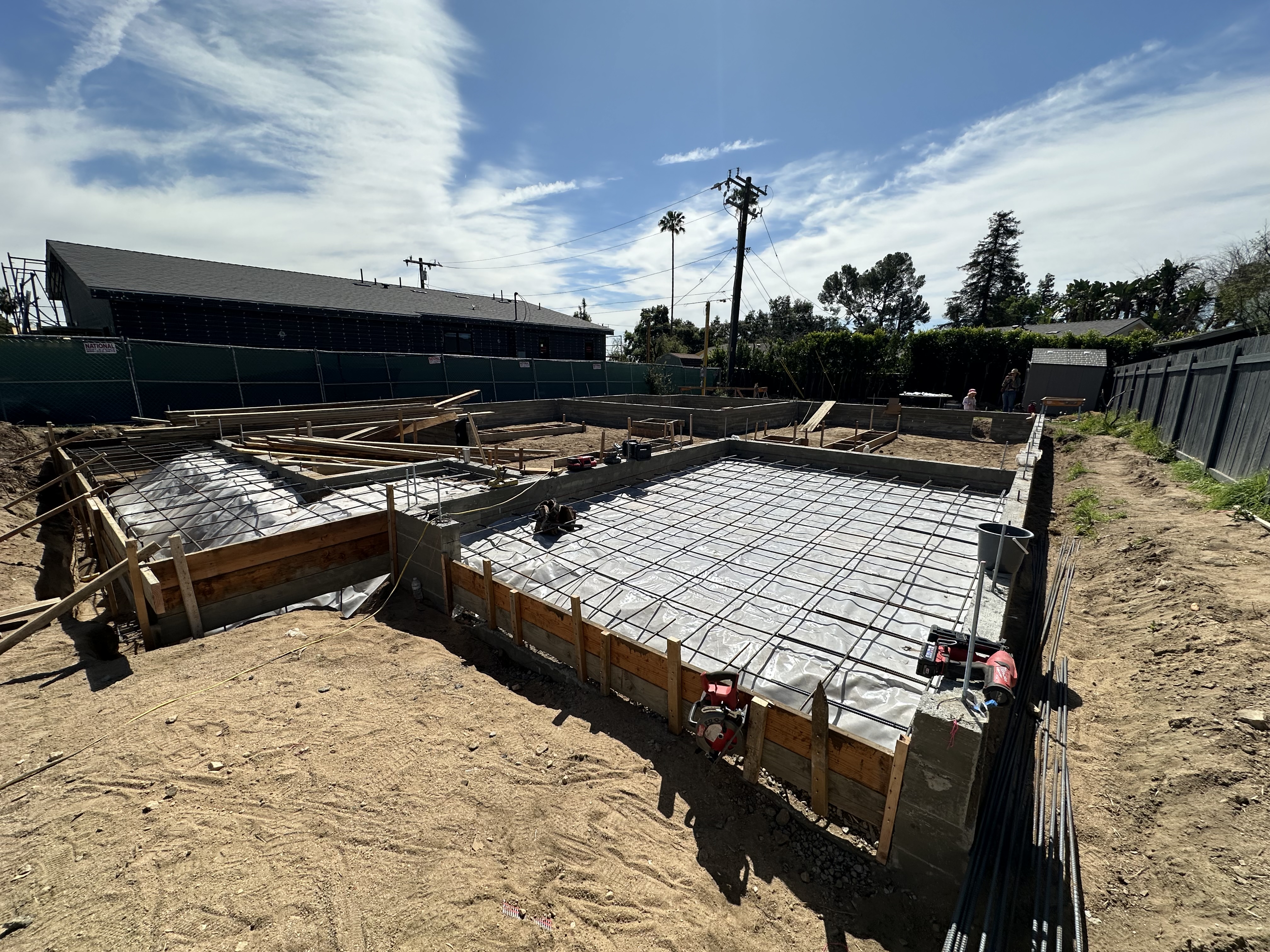
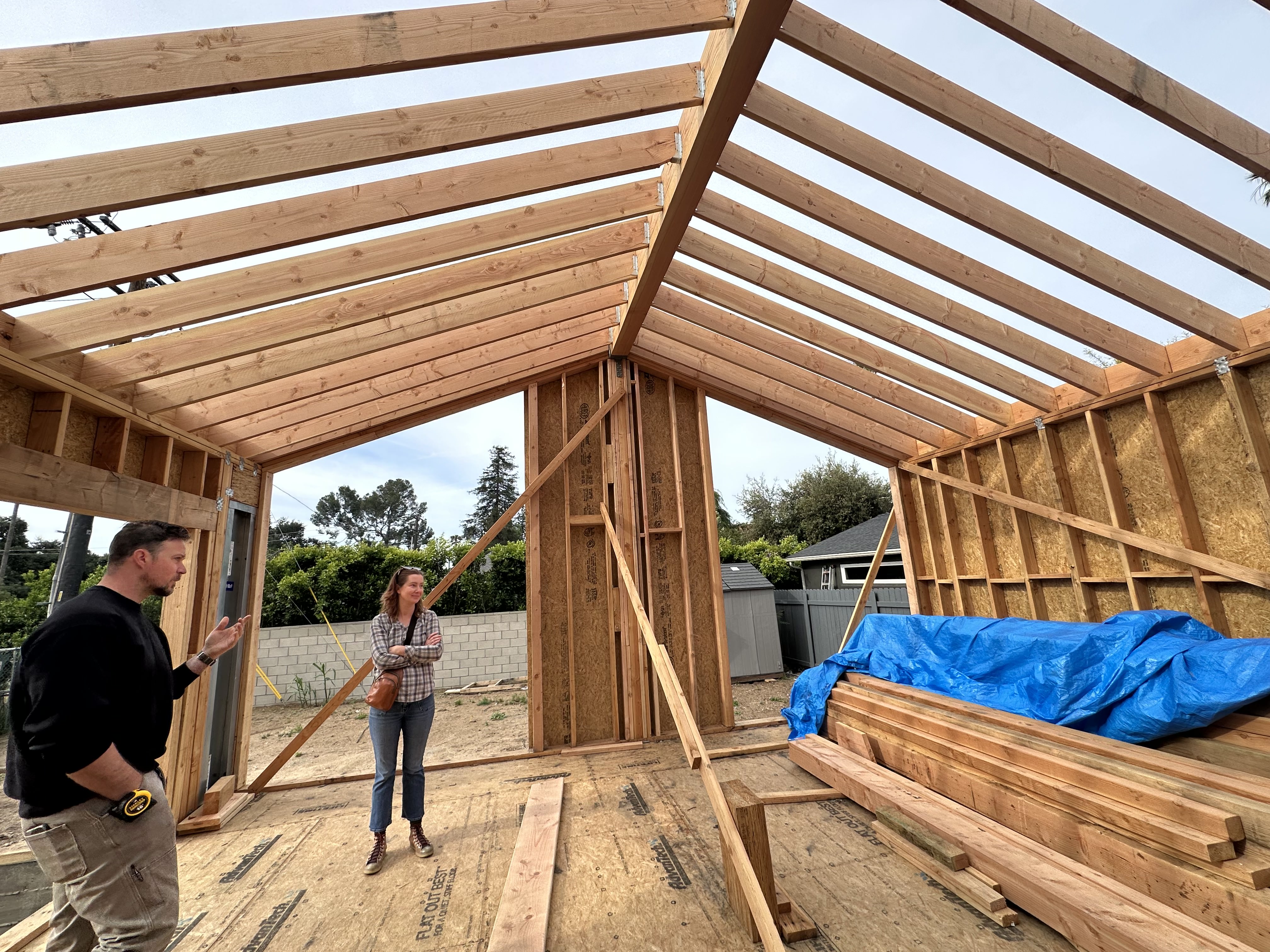
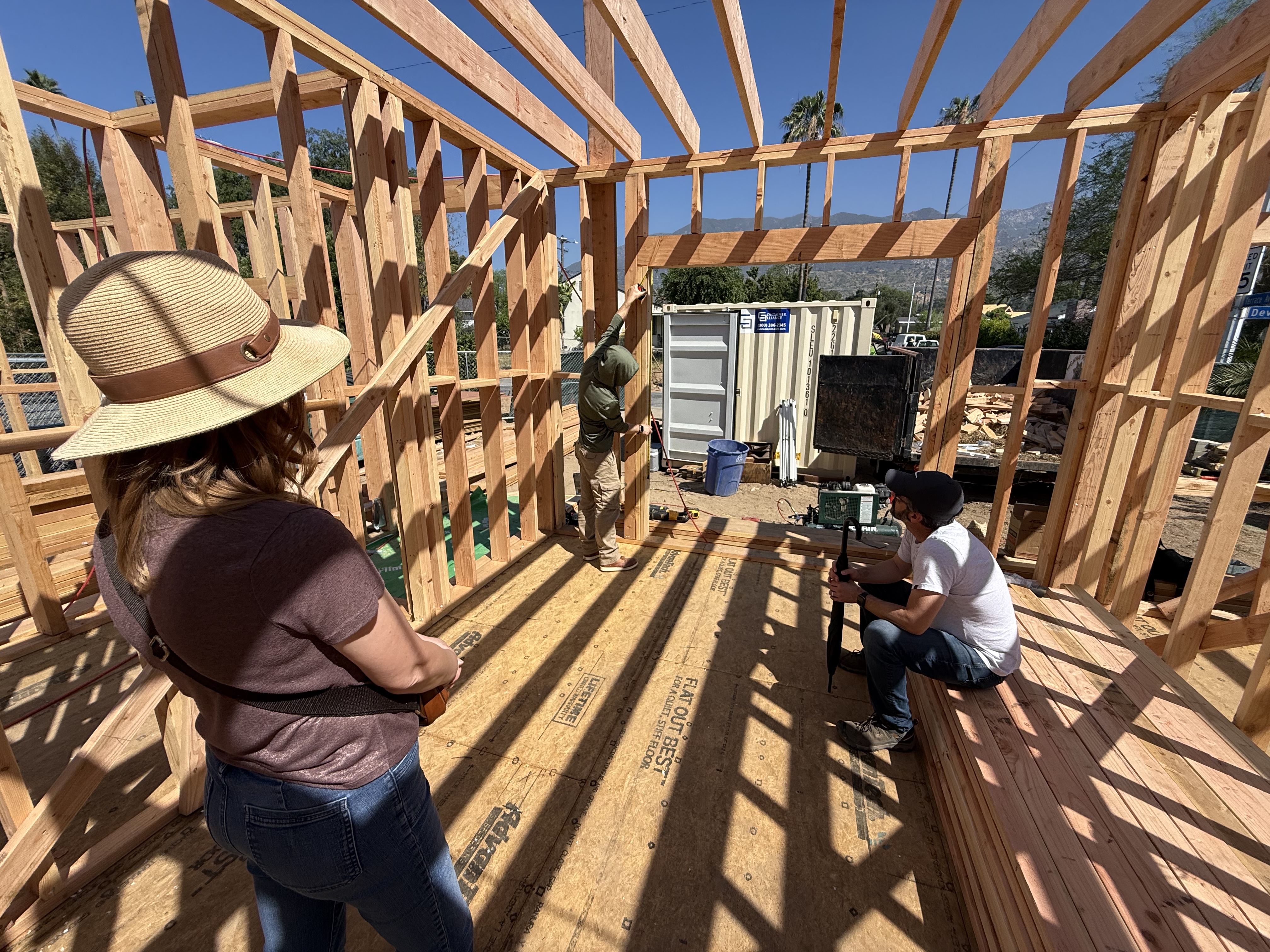
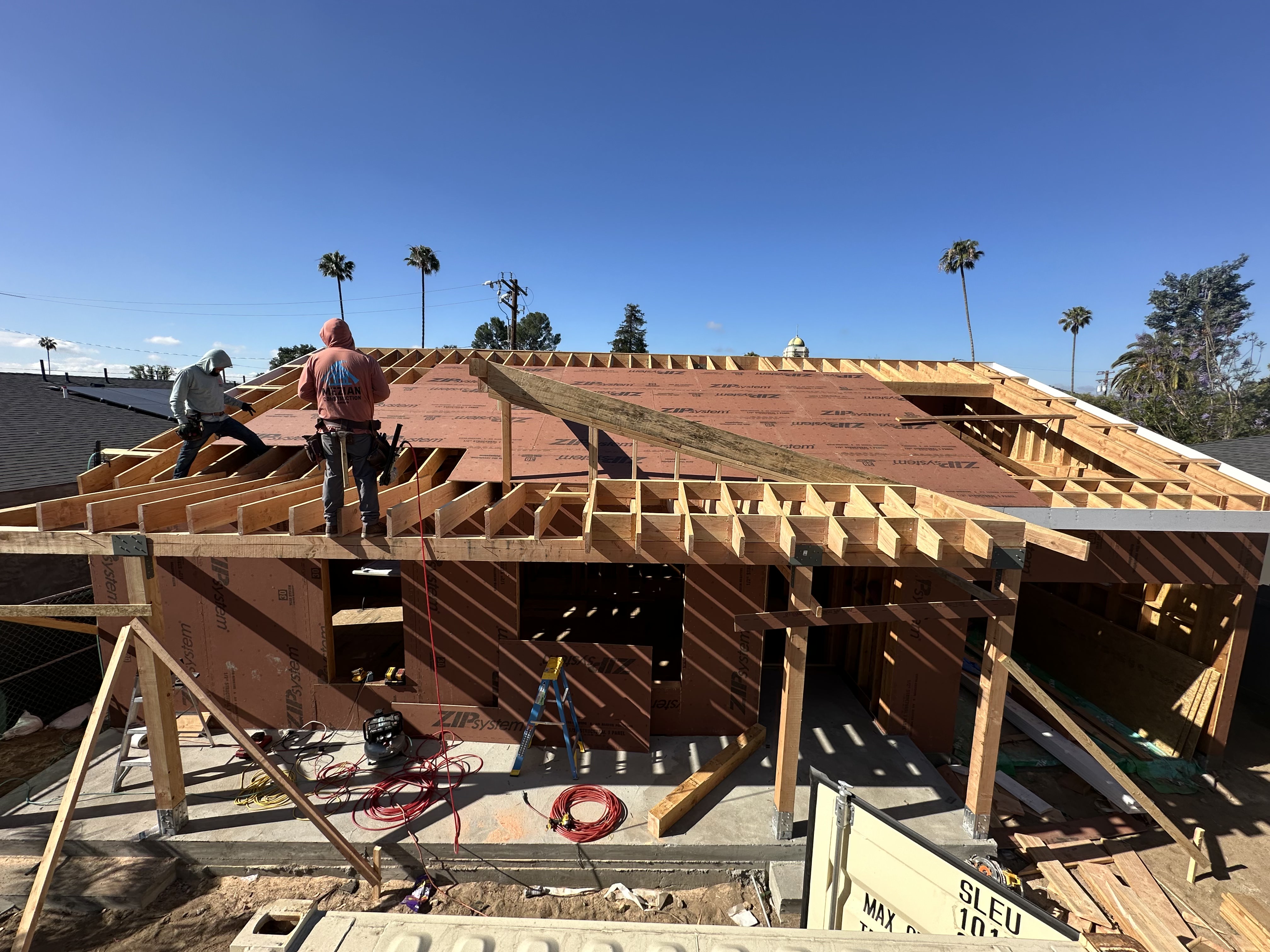
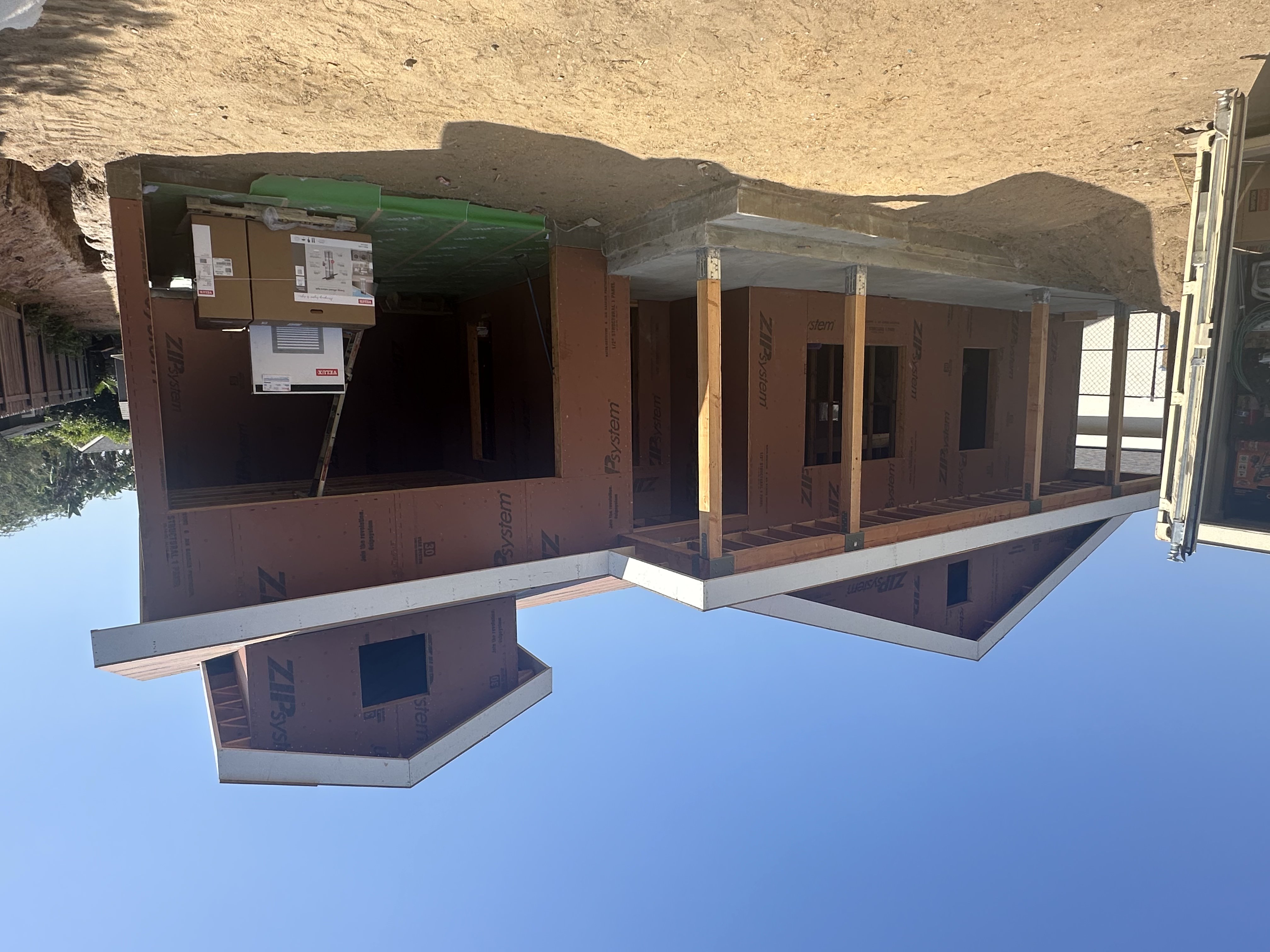
A general contractor is the person in charge of your build. They hire and schedule the electricians, plumbers, framers and other trades, order materials, and keep the job moving. When something goes wrong, they are the one you call. For a rebuild after the fire, choosing the right one is probably the biggest decision you will make, so it is worth taking your time.
You do not need to be an expert in construction to do this well. You need a short list of good questions and the patience to check the answers.
Where to look for a contractor
Start with people you trust. Neighbors who are also rebuilding, your architect or designer, and your insurance adjuster can all point you to builders who have done similar work nearby. Local builder groups and the Brass Tacks builder directory are good places to find more names.
Aim to talk with at least three contractors before you decide. Meeting several gives you a feel for what a fair price, a realistic schedule and a good working style look like. A contractor who rushes you, or who asks for a large payment before anything is in writing, is telling you something about how the job will go.
How to check a contractor before you sign
Every contractor doing work over a small dollar amount in California must hold a license. You can look up any license number for free on the Contractors State License Board website and see whether it is active, whether the contractor carries workers' compensation insurance, and whether there are complaints on file.
Ask for three things:
- A copy of their license and proof of liability insurance.
- Two or three recent customers you can call, ideally for a project of similar size.
- Photos or addresses of finished work you can see in person.
When you call references, ask whether the job finished on time, whether the final cost matched the quote, and how problems were handled. The last question usually tells you the most.
What to put in the contract
A good contract is boring and specific. It should list the full scope of work, the materials and finishes included, the total price, a payment schedule tied to finished stages of work, the start date and the expected finish date.
Pay close attention to how changes are handled. Changes are normal in any build, but each one should be written down with its price before the work happens. Ask how delays caused by permits or weather are treated.
California limits the down payment on a home improvement contract, so be wary of anyone who asks for more than the law allows. Pay in stages as work is completed, and keep a copy of every receipt.
Finally, trust your own sense of the person. You will be in close contact for months. Choose a contractor who answers questions plainly, puts things in writing and treats your budget as seriously as you do.